High-volume production is not the only reason to automate wire preparation. For high-mix, low-volume factories, the ability to reproduce different specifications can be equally important.
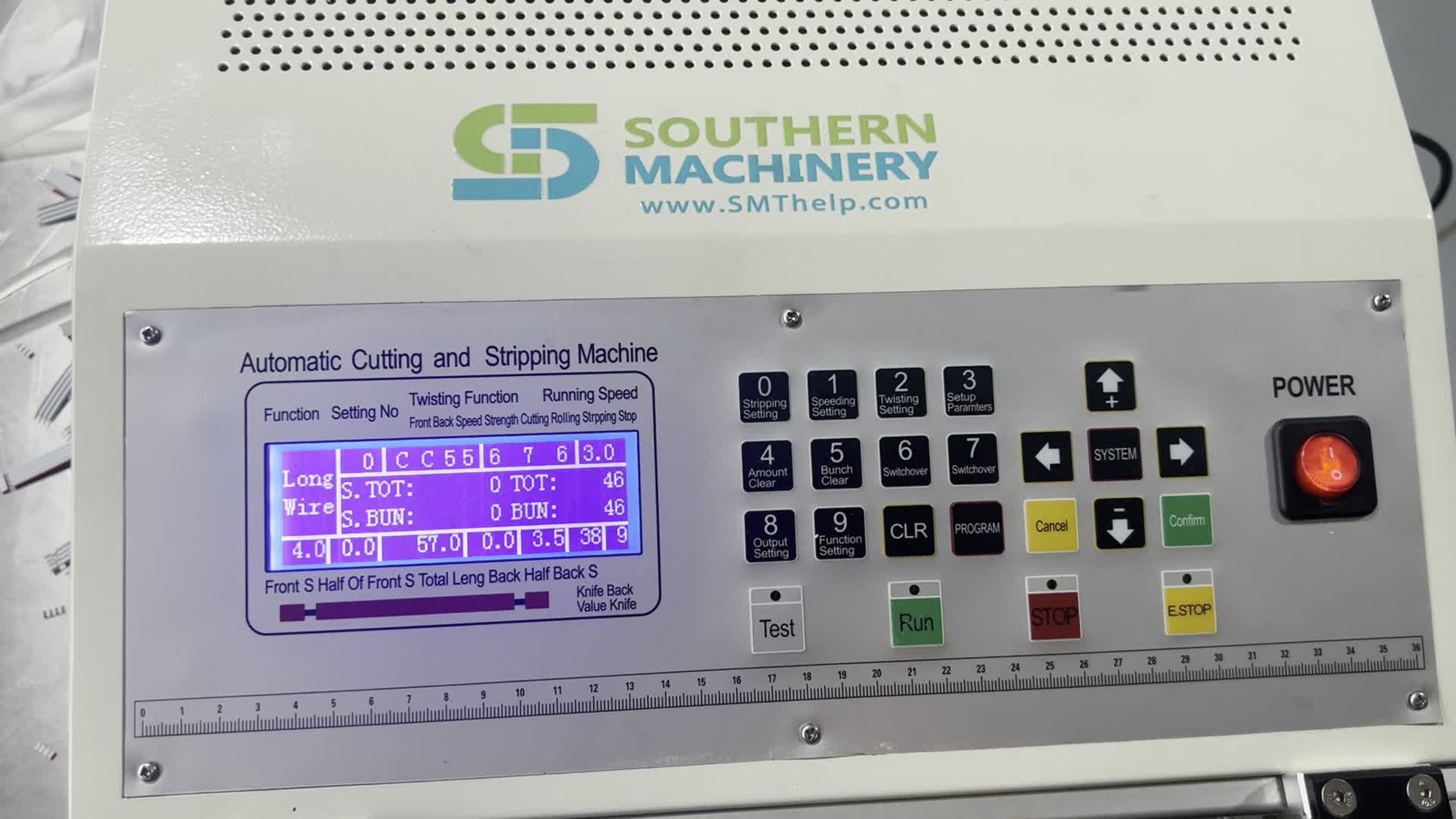
Consider a production area processing several wire specifications:
| Product | Cutting length | Front strip | Rear strip |
|---|---|---|---|
| Wire A | 350 mm | 10 mm | 8 mm |
| Wire B | 780 mm | 20 mm | 10 mm |
| Wire C | 1,200 mm | 15 mm | 15 mm |
Every product change requires the correct dimensions to be reproduced.
From Instructions to Parameters
In a manual process, the operator reads the specification and reproduces each dimension by hand.
Programmable processing changes the logic:
Product specification → Processing parameters → Machine execution
This transfers part of the process knowledge from operator memory into a controlled production method.
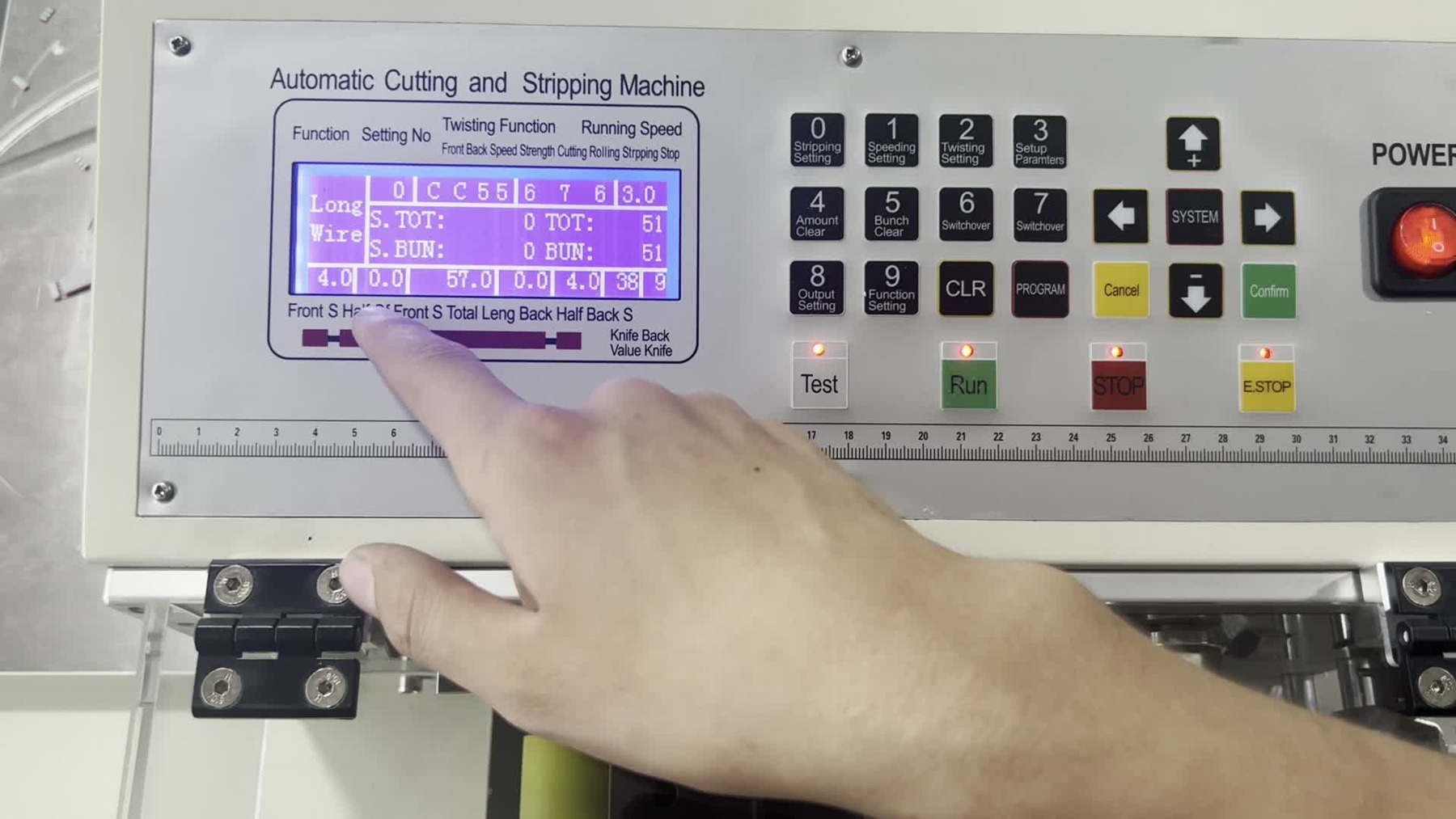
The Important KPI Is Not Only Maximum Speed
For high-mix production, useful questions include:
- How quickly can the station change between products?
- Can another shift reproduce the same setup?
- How much operator training is required?
- Can one workstation support multiple wire specifications?
These questions can be as important as maximum pieces per hour.
Suitable Applications
Programmable wire preparation can support production in:
- Electronics manufacturing services
- Industrial electronics
- Home appliances
- Control systems
- Wire-harness assembly
- Power electronics
- Customized equipment
Application Validation Still Matters
Insulation material, conductor construction, cable shape, number of cores and stripping geometry all affect processing.
Specialty cables may require sample testing, custom guides, blades, fixtures or separating mechanisms. For an unusual cable, send the drawing and physical samples so standard processing can be tested before custom tooling is selected.